
When you search for “seasoned wood for sale near me,” you’re probably looking for dried wood you can bring home and burn rather than a stack that needs a few months to dry. The label “seasoned” alone doesn’t always mean it’s ready to burn. Check its moisture content, rather than relying only on its age or appearance. Lumberjacks doesn’t sell seasoned firewood. We sell kiln-dried firewood, and we’ll explain what to look for when buying seasoned wood and why kiln-dried can be a more dependable choice when you need dry wood.
How to tell if firewood is properly seasoned
Whether you’re buying seasoned wood from a roadside stand, a marketplace listing or a neighbor, ask to see the wood before buying. These familiar signs can help you spot questions worth asking, but they don’t replace a moisture measurement.
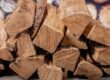
Look at the ends. Cracks and weathering can be signs of drying. They don’t prove that the center of the split is ready to burn.
Pick a piece up. Wood gets lighter as it dries, but species and piece size affect how heavy it feels. Compare pieces of similar size and species rather than judging an unfamiliar piece by weight alone.
Knock two pieces together. A sharper sound can be a clue that wood has dried. While the sound serves as a clue, it’s not a pass-or-fail test.
Check the condition. Loose bark may be another sign of drying. Avoid visibly moldy or rotted wood, and ask how the seller has stored the stack before buying.
Use a moisture meter to check the inside. Split a piece and test the newly exposed face following the meter’s instructions, including any temperature or species adjustments. Sample several pieces instead of assuming one reading represents the whole load. EPA’s moisture-meter guide explains how the process works.
Ask the seller when the wood was split, how it was stacked, and whether the quoted moisture reading came from a fresh split. If you’re searching for seasoned wood for sale near me, those answers will tell you more than a promise that a stack is simply old enough.
What seasoned firewood actually means
Seasoning is the process of letting split wood air-dry. How long that takes depends on the species, the size of the splits, airflow, weather and storage conditions. Six months is a good starting point for planning, but there’s no guarantee that every load will be ready by then.
EPA’s wood-burning guidance recommends wood below 20% moisture. A calendar can’t confirm that result. Check the wood before burning it, whether you seasoned it yourself or bought it from someone else.

Seasoned vs kiln-dried firewood
The main difference is how the drying happens. Both seasoned and kiln-dried wood still need suitable storage after drying.
With seasoned wood, the drying process depends on outdoor conditions and time. Kiln-dried wood gives you an advantage, because it’s dried using controlled heat. This lets you skip months of seasoning at home.
That doesn’t necessarily mean that properly seasoned wood can’t make a good fire. The problem is not knowing whether the stack you’re buying has dried enough. Ask for a measurement and compare what you’re actually getting.
Even with kiln drying, there’s still a need to keep your firewood dry after delivery. For a closer look at the two methods, read our seasoned vs kiln-dried firewood comparison. Our kiln-dried firewood guide explains the process in more detail.
A straight answer about what we carry
Lumberjacks sells kiln-dried firewood, not air-dried seasoned firewood.
Our firewood is kiln-dried for 40 hours at 265°F to under 20% moisture. We use controlled heat so you don’t have to spend months waiting for a stack to season outdoors. A better burn starts with kiln-dried firewood.
If you’re specifically searching for “air-dried seasoned wood for sale near me,” we want that distinction to be clear before you order. If your priority is dry firewood without waiting to season it yourself, take a look at our firewood for sale. Our guides to how much firewood is in a cord and face-cord quantities can help you compare order sizes.
Common questions
What does seasoned firewood mean?
Seasoned means the wood has been left to air-dry. It describes the drying method; it doesn’t, on its own, confirm that a particular load is dry enough to burn.
How can you tell if firewood is seasoned?
Use appearance, weight and sound as preliminary clues, then check the inside of a freshly split piece with a moisture meter. The surface may be dry while hiding a wetter center.
How long does firewood need to season?
Plan on at least six months, and check the result rather than treating a date as proof. Some wood will need more time depending on species, split size, weather and storage.
Is seasoned or kiln-dried wood better?
Kiln-dried offers a controlled drying process and avoids the wait to season wood yourself. Properly seasoned wood can also burn well. What matters is the wood’s actual moisture and condition, not just the label.
Why is my seasoned firewood not burning well?
Excess moisture may be the cause, but fire-building technique and the appliance also matter. Check the wood’s moisture and follow your appliance’s operating instructions. Pay attention to persistent smoke or draft problems, rather than repeating attempts with the same setup.
Can you burn unseasoned wood?
Never burn wet or green wood. Choose dry wood and follow the operating instructions for your fireplace or stove.
How should I store firewood?
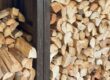
Keep stored firewood off the ground, cover the top and leave the sides open for airflow. Keep it protected from rain after drying, too. Our guide to storing firewood so it stays dry covers the setup.
Questions about firewood? Ask us
Not sure which firewood or quantity fits your plans? Call Lumberjacks at (815) 337-1451. We’re happy to explain our kiln-dried options.